If you've just had your driveway cleaned or you're looking at tired, moss-covered block paving and wondering what to do next, the question of sealing usually comes up. Is block paving sealing worth it, or is it just an extra cost that doesn't deliver? The honest answer is that it depends — and this guide will walk you through exactly what sealing does, when it makes sense, and when you'd be better off saving your money.
Block paving is one of the most common driveway and patio surfaces across Greater Manchester, and for good reason. It looks good when it's well-maintained, it drains reasonably well, and individual pavers can be lifted and replaced if needed. The North West climate, though — persistent damp, shade from terraced housing, and long stretches without enough sun to dry surfaces properly — means moss, algae, and weed growth are almost guaranteed without some level of upkeep. Sealing is one part of that maintenance picture, but only one part.
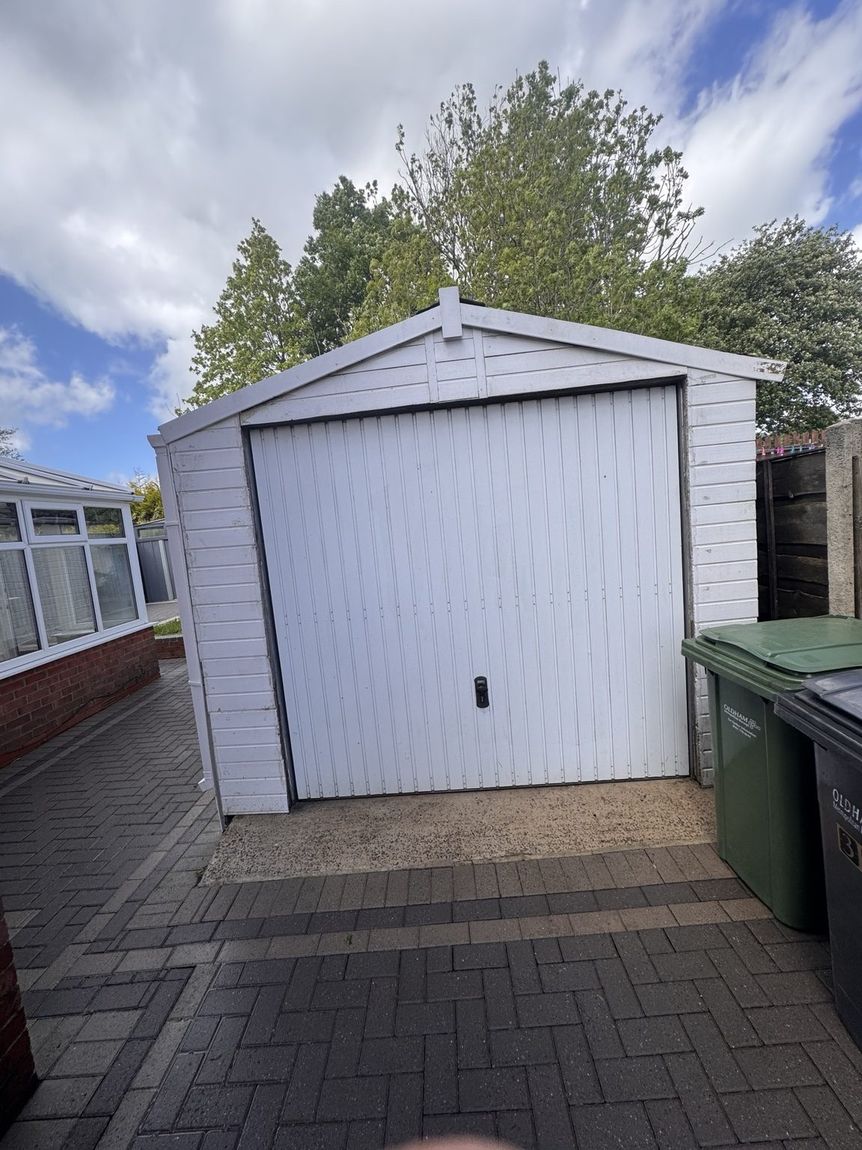
Re-sanding with kiln-dried sand is essential before any sealant goes down. Skip this step and the seal won't last.
Quick answer: Block paving sealing is worth it in most cases — it slows down weed and moss regrowth, makes future cleaning easier, and helps lock in re-sanding work. However, it only works properly on a thoroughly cleaned surface. Sealing dirty or damp paving wastes money and can trap staining permanently.
What Does Block Paving Sealing Actually Do?
A sealant works by penetrating or coating the surface of the paver, closing the pores in the material to reduce how much water, oil, and organic matter can soak in. This makes the surface easier to clean, slows down the rate at which moss and algae can take hold, and — depending on the product — either enhances the colour with a gloss or wet-look finish, or preserves the natural appearance without changing it.
Joint stabilisation is the other key benefit. The kiln-dried sand packed between the pavers is vulnerable to being washed out by rain and pressure washing over time. Once the joints start to empty, weeds find it easy to establish roots and the surface begins to shift and rock. Certain sealants bind the sand in the joints, making them harder and more resistant to erosion. This is genuinely useful on driveways that see regular vehicle traffic.
Set realistic expectations before spending anything, though. Sealing does not restore colour that has faded through years of weathering, it does not fix structural problems, and it will not make a poorly maintained surface look new. It preserves what's already there. If the paving is in good condition after a proper clean, sealing helps keep it that way for longer.
The Different Types of Sealant and What They Cost
There are three main categories worth knowing about. Wet-look or gloss sealants sit on the surface of the paver and give a shiny, darkened finish — popular on new block paving where customers want a sharp, defined look. Natural finish sealants penetrate the paver and offer protection without changing the appearance, which suits older or more traditional surfaces where a glossy sheen would look out of place. Joint-stabilising sealants are specifically formulated to harden the jointing sand while also protecting the paver surface, and they tend to be the most practical choice on driveways.
Cost varies considerably based on product quality and the size of the area. As a rough guide, including labour, you're looking at around £4.25 per square metre for a professional clean with chemical biocide treatment, and upwards of £5.50 per square metre for a full restoration including block paving re-sanding — which is the stage that needs to come before any sealing is applied. Sealing itself adds to that, and prices differ depending on the product grade chosen.
Cheap DIY sealants from the builder's merchant often cause more problems than they solve. Low-grade solvent-based products can turn white or cloudy when moisture is present — which in Greater Manchester is most of the time — and once a sealant has failed on the surface, removing it properly before resealing is time-consuming and sometimes damaging to the paver. Trade-grade products cost more for a reason.
Why the Clean-First Rule Is Non-Negotiable
Sealing over dirty paving is one of the most common and costly mistakes made by homeowners attempting this as a DIY project. Any algae, oil staining, or dirt sitting on or in the surface gets locked in permanently the moment sealant goes down over it. The same applies to existing sealant that is flaking or failing — applying a fresh coat over the top traps the problem rather than fixing it.
A proper block paving cleaning job — pressure washing at the right PSI with the right nozzle to avoid surface damage, followed by a biocide treatment to kill any remaining algae spores — is the foundation everything else builds on. After cleaning, the joints need to be assessed and topped up with kiln-dried sand where they've been depleted. Only once that's done and the surface has had adequate time to dry fully can a sealant be applied properly. In a wet autumn in Oldham, finding three or four consecutive dry days for this process is genuinely difficult.
This is the stage where most DIY sealing jobs fail. The paving looks clean enough to the eye, but there's residual moisture in the paver itself, or the joints haven't been re-sanded properly, and the sealant bonds poorly as a result. A surface that wasn't clean enough beforehand is nearly impossible to fix without stripping the sealant off entirely and starting again.
Block paving needs to be bone dry before sealant goes down — not just dry on the surface, but dry through the body of the paver. In Greater Manchester, this means waiting at least 48 hours of dry weather after cleaning, and ideally longer in autumn and winter. Rushing this step is the single biggest cause of sealant failure.
When Sealing Is Genuinely Worth the Money
If your block paving has just been professionally cleaned and is in structurally sound condition, sealing makes a lot of sense as the next step. You've already invested in the clean — sealing extends the time before the surface needs that level of attention again and protects the result you've just paid for. This is probably the most straightforward case where the question of whether block paving sealing is worth it answers itself: yes.
Driveways in shaded positions are another strong candidate. North-facing or heavily shaded paving in areas like Saddleworth, Bury, or along terraced streets in Oldham can be almost permanently damp through autumn and winter, which means moss and algae colonise faster than on south-facing surfaces. A good quality sealant with a biocide component significantly slows that regrowth cycle. You can read more about how shaded surfaces behave in our guide on why driveways become slippery.
High-traffic driveways benefit particularly from joint-stabilising sealants, since vehicle movement gradually works the jointing sand loose. Sealing the joints early — before they've been depleted to the point where pavers start to rock — is genuinely preventative maintenance rather than cosmetic spend. On paving that's in genuinely good shape, that's money well spent.
When Sealing Is a Waste of Money
Badly worn or crumbling pavers will not be improved by sealing. If the surface material is spalling, breaking at the edges, or has become porous to the point where it absorbs water heavily, a sealant is not a fix — it's a temporary cover over a structural problem. Those pavers need replacing, not sealing.
Sealing over a surface that hasn't been properly cleaned is equally pointless, as covered above. And applying a second coat of sealant over a first coat that's already failing — peeling, whitening, or lifting — achieves nothing. The failing layer has to come off first. If a previous sealant was applied incorrectly and has bonded poorly, chemical stripping may be needed before the surface can be treated again, which adds cost and complication.
There's also no strong case for sealing paving that you know is going to be lifted or significantly altered soon — for instance, if you're planning an extension or driveway redesign in the next year or two. Spend the money on a clean and a re-sand to keep it stable and tidy, but hold off on sealing until the surface is in its final form.
Should You Hire a Professional or Do It Yourself?
DIY block paving sealing is possible, and some homeowners do it successfully. But the honest version of this is that the preparation work — professional-standard pressure washing, correct re-sanding with kiln-dried sand, and waiting for full drying conditions — is where the job either succeeds or fails, and it's also where corners get cut most often. The sealing itself is relatively straightforward once the prep is right. Getting the prep right is the hard part.
A professional brings the right equipment for the clean, knows what PSI and nozzle angle won't damage the paver surface, can assess whether the jointing sand needs full replacement or just topping up, and will use trade-grade sealant products that aren't available over the counter. If you're considering the full process — clean, re-sand, and seal — it's worth getting a quote before committing to DIY, simply because a botched seal job can be expensive to remediate. The team at C&C Precision can usually give you a same-day ballpark from a couple of photos sent over WhatsApp, which costs nothing.
If you do want to tackle it yourself, at minimum have the paving professionally cleaned first — a professional driveway clean starting from around £3.50 per square metre gives you a proper foundation. Then re-sand with kiln-dried sand, not building sand, and give the surface at least 48 hours of dry weather before any product goes down. Read the product data sheet for your specific sealant rather than just following the tin, particularly regarding drying and recoat times.
The Bottom Line: Our Honest Take on Block Paving Sealing
Block paving sealing is worth it when the conditions are right. It's not a magic fix, it doesn't restore damaged surfaces, and it's not something every driveway needs every year. But applied correctly to a properly prepared surface, a good quality sealant extends the life of your paving, slows moss and weed regrowth, and reduces the frequency of deep cleans. In the Greater Manchester climate, that's a practical benefit worth having.
The checklist is simple. The surface must be thoroughly cleaned — no shortcuts. Joints must be re-sanded with kiln-dried sand where needed. The paving must be completely dry, not just surface-dry. And the sealant must be an appropriate, trade-grade product for the paver type and finish you want. If any one of those four conditions isn't met, the result will disappoint. Meet all four and sealing is a sensible, worthwhile investment. You can see the kind of results a proper clean and restoration delivers in our before and after driveway cleaning gallery.
Frequently asked questions
How long does block paving sealant last?
A good quality sealant applied correctly to clean, re-sanded paving typically lasts three to five years before it needs reapplying. Cheaper products or poor application can mean it starts to fail within twelve months. Shaded areas and driveways that see heavy traffic will generally need retreating sooner.
Can I seal block paving myself?
You can, but the prep work is where most DIY jobs fall short. The paving needs to be pressure washed to a professional standard, fully re-sanded with kiln-dried sand, and completely dry before any sealant goes down — and in Greater Manchester, finding enough consecutive dry days is easier said than done. Sealing over moisture or a poorly cleaned surface causes the sealant to cloud, peel, or trap staining permanently.
Does sealing block paving stop weeds coming back?
It significantly slows regrowth by filling the joints and reducing the gaps where weed seeds settle, but it won't stop weeds entirely. Joint-stabilising sealants do the best job of this because they harden the sand in the joints, making it much harder for roots to establish. Regular maintenance still helps.
How much does it cost to have block paving cleaned and sealed in Greater Manchester?
Prices vary depending on the size of the area, the condition of the paving, and whether re-sanding is needed. As a rough guide, a typical residential driveway in Oldham or the surrounding area might range from a few hundred pounds for a clean and re-sand up to more for larger areas including sealing. The fastest way to get an accurate price is to send a photo on WhatsApp — we can usually turn around a quote the same day.
Not sure whether your driveway needs sealing?
Send a photo of your block paving on WhatsApp and we'll give you an honest, fast quote with no obligation.